


ABOUT US
FACULTY SPOTLIGHT
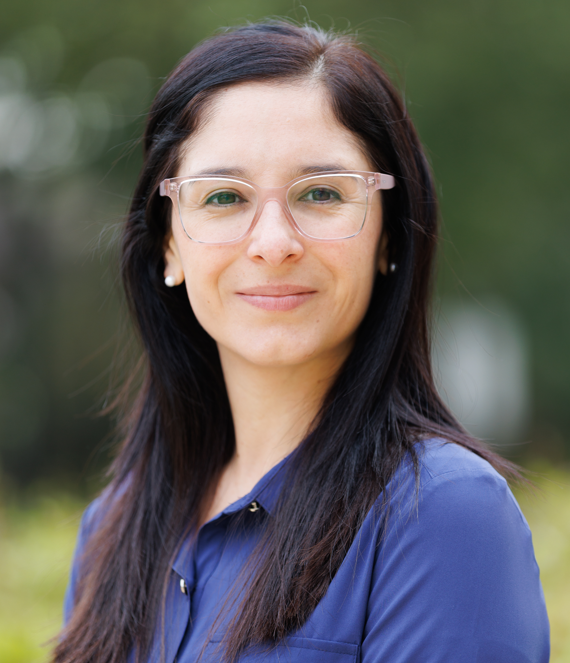
Dr. Macarena Suarez-Pellicioni
Principal Investigator for the Brain, Learning, & Education Lab
“I study how the brain supports math learning and math performance in children and adults and the roles of other skills (such as language) and affective factors (such as math attitudes or math anxiety) in explaining individual differences in learning and performance.”
Interested in working with Dr. Suarez-Pellicioni?
Contact her at mcpellicioni@ua.edu.
STUDENT SPOTLIGHT
Nghi (Sherry) Nguyen
Won a Seed Grant from the Center for Community-Based Partnership for her project “Theatrical Engagement Intervention and Critical Thinking”
“One of the most interesting lessons that many students in my current class really resonate with is the Maslow’s hierarchy of need and self-monitoring. They find it very applicable and valuable for their professional development and daily-life functioning.”
Interested in connecting with Sherry?
Contact her at nnguyen8@crimson.ua.edu.



Drs. Sarah McKellar and Dr. Lisa Hsin join Ed Neuro faculty!
FOR PROSPECTIVE STUDENTS
Doctoral Program
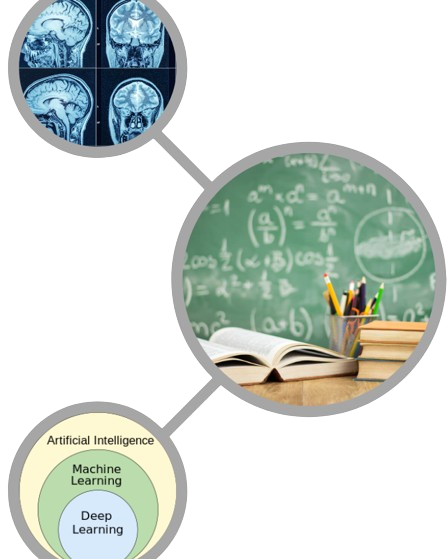
Interested in interdisciplinary research that bridges human behavior, learning, education, and the brain? Our research topics include autism, math cognition, language and child development, morality and character education. Check out our doctoral program in in Educational Neuroscience. The deadline for applying to our Doctoral program is Dec. 15.
Undergraduate Program
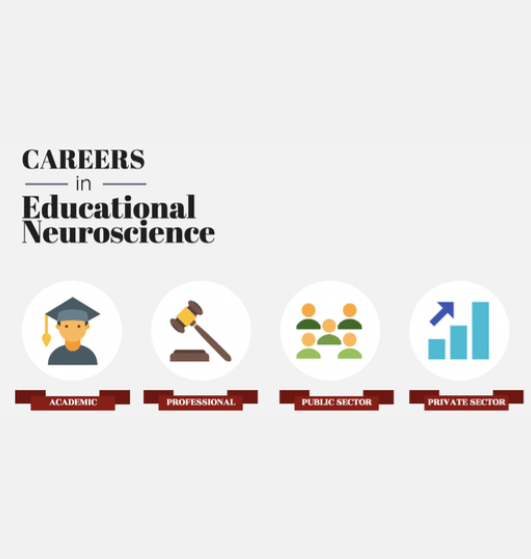
Educational Neuroscience is an interdisciplinary field that can prepare you for a variety of careers, including your own entrepreneurial venture!
RESEARCH
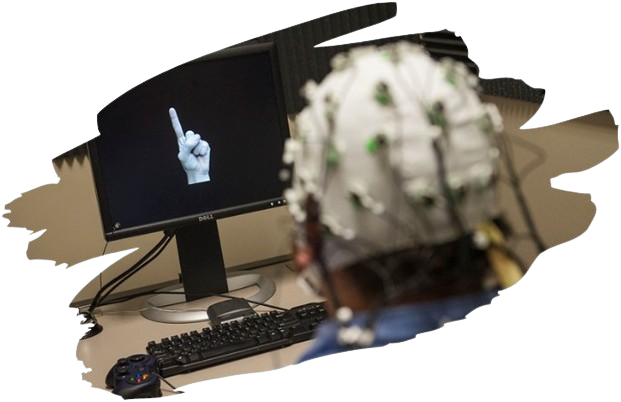
Faculty and students in our program work on a variety of questions pertaining to learning, education, language and math cognition, morality, human behavior, and child development. Our collective research encompasses quantitative, qualitative, and mixed methodologies utilizing methods from EEG to fMRI, surveys to interviews, and everything in between.
OUR PEOPLE


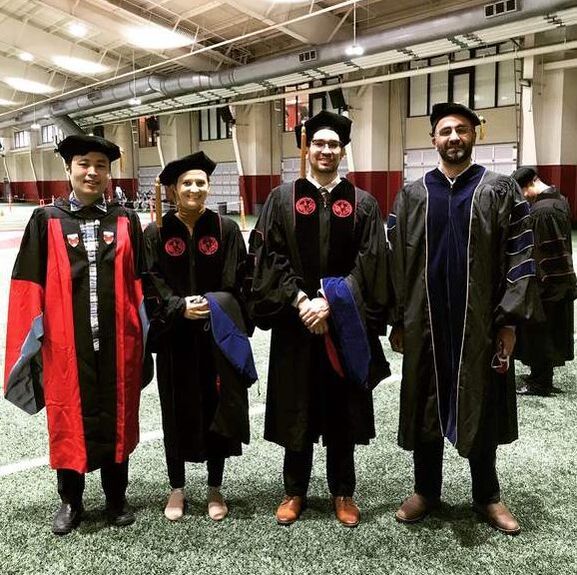
RESOURCES FOR CURRENT STUDENTS
PERSONAL
- Program repository with helpful documents to navigate the program, later PhD program years, academic and non-academic careers, etc.
RESEARCH
- Institutional Review Board Procedures
- ESPRMC Participant Pool for research study recruitment
PROFESSIONAL
- One-stop-shop for Graduate Student Forms
- College of Education – Graduate Student Organization